

Crawl Space Mold Removal in Manchester, NH
Manchester's older residential stock, particularly throughout neighborhoods like the West Side and North End, frequently includes crawl spaces that remain vulnerable to persistent moisture accumulation from the region's damp spring and summer conditions. Standing water, poor ventilation, and organic debris in these confined spaces create environments where mold growth accelerates, potentially affecting indoor air quality throughout the home. Trudy Mold Remediation connects you with local crawl space mold removal providers who assess moisture sources, contain affected areas safely, and work toward thorough removal—protecting your property and household environment.
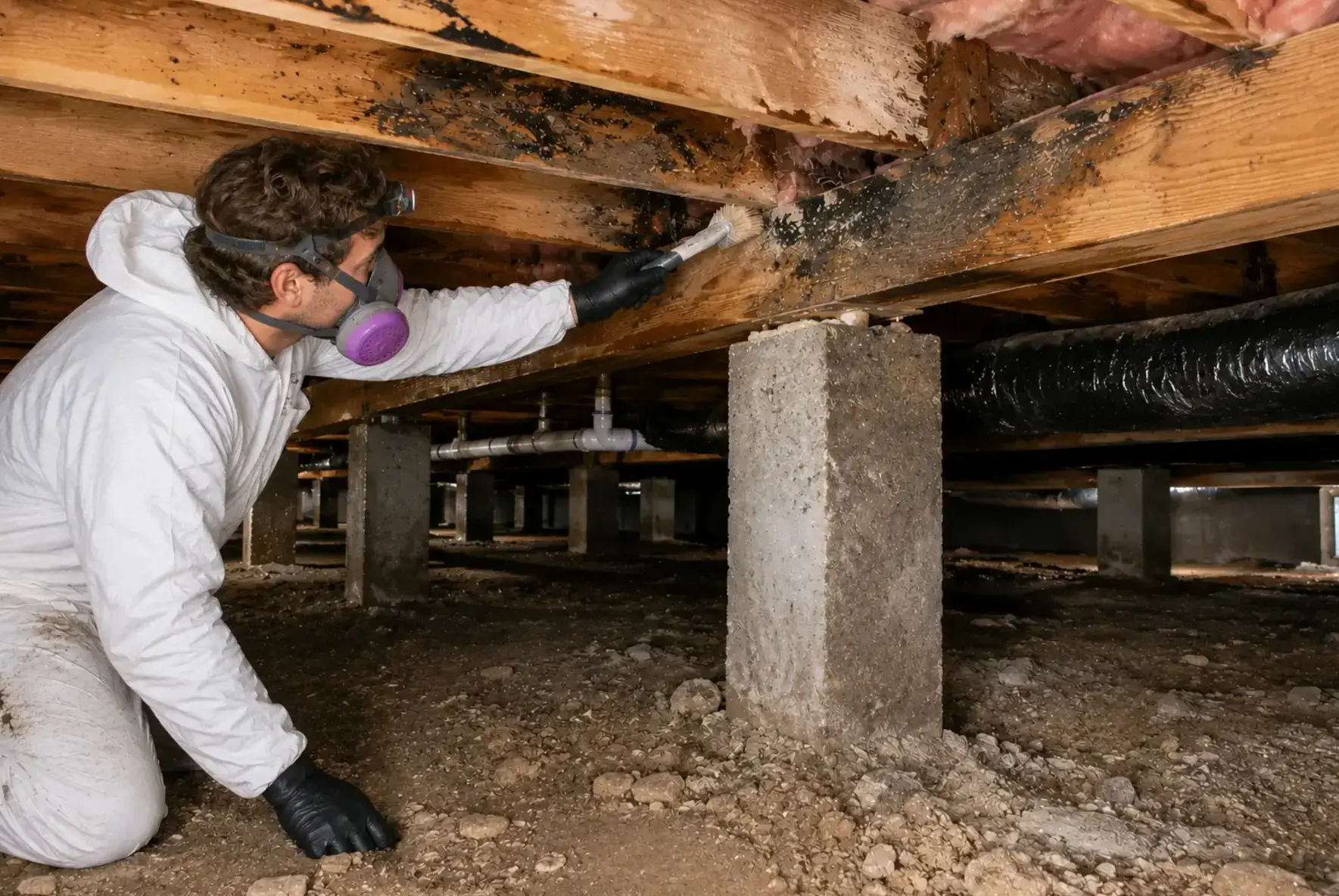
What gets cleaned in a crawl space, and what comes out
Whether a material is cleaned in place or removed is not decided by how bad the mold looks. It is decided by what the material is made of and how large the affected area is. Below is the EPA’s published guidance on both counts, for a crawl space.
| Material | Under 10 sq ftabout a cabinet door, or one ceiling tile | 10 to 100 sq ftroughly one wall, or a small bathroom | Over 100 sq ftmore than one room's worth of surface |
|---|---|---|---|
| Wood surfacesfloor joists, subfloor, beams and piersEPA, Table 2 | Wet vacuumDamp wipeHEPA vacuum | Wet vacuumDamp wipeHEPA vacuum | Wet vacuumDamp wipeHEPA vacuumRemove and discard |
| Concrete or cinder blockblock piers, stem walls and any slabEPA, Table 2 | Wet vacuumHEPA vacuum | Wet vacuumHEPA vacuum | Wet vacuumHEPA vacuum |
What those methods mean, in EPA's words
- Wet vacuum
Wet vacuums are vacuum cleaners designed to collect water. They can be used to remove water from floors, carpets and hard surfaces where water has accumulated.
EPA, cleanup methods- Damp wipe
Mold can generally be removed from nonporous (hard) surfaces by wiping or scrubbing with water, or water and detergent.
EPA, cleanup methods- HEPA vacuum
HEPA (High-Efficiency Particulate Air) vacuums are recommended for final cleanup of remediation areas after materials have been thoroughly dried and contaminated materials removed.
EPA, cleanup methods- Remove and discard
Building materials and furnishings that are contaminated with mold growth and are not salvageable should be double-bagged using 6-mil polyethylene sheeting.
EPA, cleanup methods
Removed and replaced, whatever the area
- Fiberglass or other insulation — batt insulation between the joists.
Fiber glass, or any other insulation material that is wet or visibly moldy (or if an unacceptable odor is present) should be removed and replaced by a qualified heating and cooling system contractor.
EPA, air duct cleaningEPA states this in its heating-and-cooling guidance and it is quoted here as written. Its water-damage table reaches the same conclusion for both fiberglass and cellulose insulation.
These guidelines are for damage caused by clean water. If you know or suspect that the water source is contaminated with sewage, or chemical or biological pollutants, then Personal Protective Equipment and containment are required by OSHA.
EPA, Table 1Porous materials that are wet and have mold growing on them may have to be discarded.
EPA, cleanup methodsMold can grow on wood, drywall, carpet and furniture if they remain wet for more than 24 hours.
EPA, flood cleanup
A missing or torn vapor barrier lets ground moisture into the framing continuously, so the lasting fix is the barrier and the drainage rather than the cleaning. Joists and subfloor are wood and are usually salvageable even at large areas. The batt insulation between them is not — and pulling it is often how the real extent of the problem first becomes visible.
This is not rare locally: Hillsborough County has recorded flood events in 20 separate years, most often in the 2020s, and most recently in 2025. Water that sat years ago leaves growth behind whether anyone found it or not.Source: NOAA Storm Events Database, Hillsborough County (1996-2026; Flood, Flash Flood and Coastal Flood events)
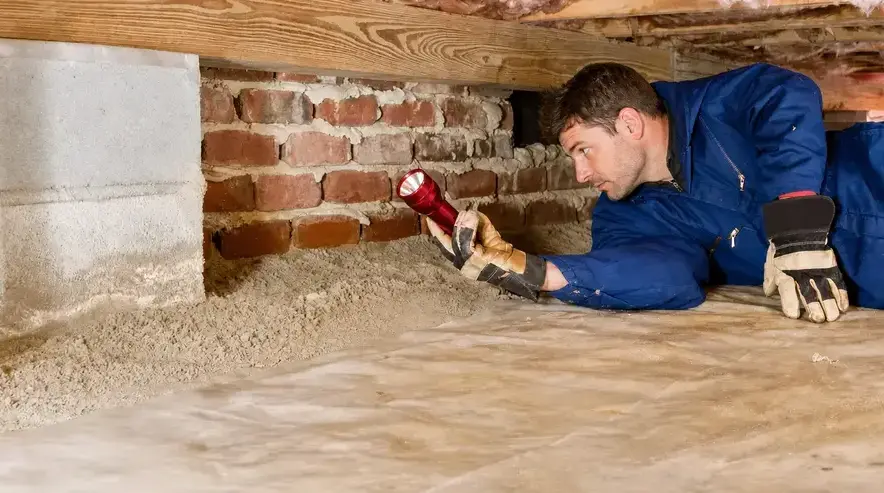
Crawl Space Mold Removal Services Serving Manchester, NH
Manchester's older residential neighborhoods, many built during the region's mill era, contain numerous homes with crawl spaces—foundation structures that are particularly vulnerable to moisture accumulation. The area's year-round humidity and damp spring and summer conditions create an environment where crawl spaces struggle to stay dry, and trapped moisture quickly becomes an ideal breeding ground for mold growth. When moisture settles beneath a home, it can spread upward into living areas, affect indoor air quality, and compromise both structure and health. Property owners throughout Manchester who discover mold in their crawl spaces need prompt, thorough removal to address the source before the problem expands.
Trudy Mold Remediation connects Manchester property owners with independent local providers who specialize in crawl space mold removal. These providers take a comprehensive approach—identifying moisture entry points, containing affected areas safely, removing mold-colonized materials, and establishing proper drainage or ventilation to prevent recurrence. Rather than offering quick fixes, they work to resolve the underlying moisture issue so that crawl space conditions remain dry going forward. If you've noticed signs of mold, musty odors, or moisture damage in your crawl space, reaching out through Trudy connects you quickly with a local professional ready to assess and address the problem.
Why Manchester Property Owners Choose Trudy Mold Remediation
Local Crawl Space Mold Expertise
Trudy connects you with independent local providers experienced in crawl space mold removal throughout Manchester. They understand the specific moisture and structural challenges of the area's homes and respond quickly to your needs.
Thorough Crawl Space Mold Treatment
Crawl space mold removal requires careful containment and targeted remediation. The independent providers in Trudy's network follow comprehensive protocols to address affected areas, moisture sources, and air quality to prevent recurrence.
Clear Communication Every Step
From inspection through crawl space mold removal completion, Trudy's independent providers keep you informed with transparent explanations of findings, treatment scope, and next steps—no surprises or unclear timelines.
Manchester's Year-Round Moisture Challenge
Manchester's inland New England climate brings consistent humidity and moisture buildup, especially during damp spring and summer months. Crawl spaces in the city's older homes are particularly vulnerable to mold growth, making timely professional removal essential for long-term health and structure protection.
How Our Crawl Space Mold Removal Process Works
Schedule Your Crawl Space Inspection
Contact Trudy Mold Remediation to arrange a crawl space mold assessment with an independent local provider in Manchester. They'll evaluate moisture levels, visible mold growth, and structural conditions affecting your crawl space.
Detailed Crawl Space Mold Assessment
The provider inspects your crawl space thoroughly, identifying mold sources and moisture entry points common in Manchester's older homes. A clear remediation plan for crawl space mold removal is developed based on what's found during the inspection.
Crawl Space Mold Removal & Prevention
The independent provider removes mold from your crawl space and addresses moisture control to reduce conditions that allow mold to return. Follow-up guidance helps you maintain a drier crawl space environment going forward.
Dealing with Crawl Space Mold Removal in Manchester? Get fast, professional help.
Call Now — (603) 207-4474Crawl Space Mold Removal Across Manchester
Manchester's older residential neighborhoods contain many homes with crawl spaces built during the city's mill-era development. These foundation spaces are particularly vulnerable to moisture accumulation because they sit close to ground level, where dampness from soil and seasonal water movement can collect. Combined with the region's year-round humidity and damp conditions typical of inland New England—especially during spring and summer months—crawl spaces in areas like the West Side and North End face persistent moisture challenges that create an environment where mold can develop and spread unchecked.
Crawl space mold removal in Manchester requires understanding how older construction, ground moisture, and seasonal humidity interact beneath your home. Property owners who notice musty odors, visible mold, or increased humidity levels in living spaces above the crawl space should address moisture problems promptly. Trudy Mold Remediation connects Manchester homeowners with independent local mold removal providers who can inspect crawl spaces, identify moisture sources, and recommend containment and remediation approaches tailored to your property's specific conditions.
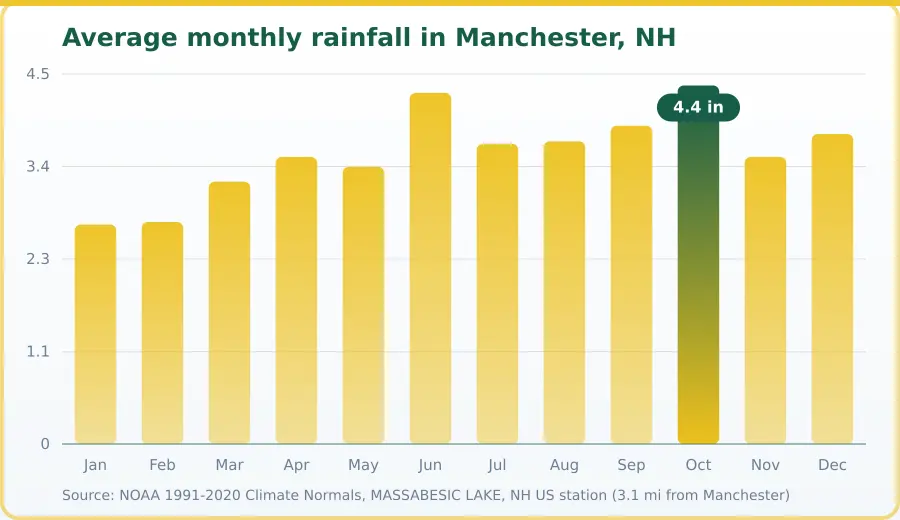
| Period | Monthly rainfall (in) |
|---|---|
| Jan | 2.7 |
| Feb | 2.7 |
| Mar | 3.2 |
| Apr | 3.5 |
| May | 3.4 |
| Jun | 4.3 |
| Jul | 3.7 |
| Aug | 3.7 |
| Sep | 3.9 |
| Oct | 4.4 |
| Nov | 3.5 |
| Dec | 3.8 |
Source: NOAA 1991-2020 Climate Normals, MASSABESIC LAKE, NH US station (3.1 mi from Manchester). Retrieved October 5, 2026.
Crawl Space Mold Through Manchester's Seasons
Spring: Moisture Awakening
As snow melts and spring rains arrive, crawl spaces in Manchester's older homes absorb rising groundwater and increased humidity. Mold colonies activate and spread rapidly in these newly moistened spaces. Trudy connects property owners with local mold removal providers who assess and remediate crawl space damage before summer intensifies the problem.
Summer: Active Growth Season
Warm temperatures and damp conditions create ideal breeding grounds for crawl space mold throughout the region's humid summer months. Mold spreads faster and deeper into structural materials when ventilation is poor and moisture lingers. Trudy's referral service helps homeowners locate independent providers who contain and remove active mold infestations before they compromise indoor air quality.
Fall: Seasonal Transition
Cooling temperatures cause crawl space air to contract, drawing moisture-laden air upward into living spaces and spreading mold spores throughout homes. Fall rains also increase groundwater seepage in these below-grade areas. Trudy connects property owners with removal specialists who address fall moisture intrusion and prevent winter mold complications.
Winter: Persistent Underground Threat
Cold weather forces property owners indoors where crawl space mold continues thriving in stable, damp conditions year-round—a particular concern in Manchester's historic mill-era housing stock with its common crawl spaces that retain moisture through winter. Trudy helps homeowners schedule professional remediation during slower seasons when removal providers can thoroughly address established infestations.
Crawl Space Mold Removal FAQs — Manchester, NH
Crawl space mold removal typically begins with inspection to identify affected areas, followed by containment to prevent spores from spreading into living spaces. The independent local provider will remove contaminated materials, clean surfaces, and apply appropriate treatments. Moisture sources are identified so conditions aren't left suitable for regrowth. The goal is safe, thorough removal while protecting your home's air quality.
Trudy Mold Remediation connects you with independent local providers in Manchester who can typically schedule inspections and removal work within days rather than weeks. Response time depends on current workload and severity, but local providers prioritize urgent moisture and mold situations affecting your property. Contact us to discuss your timeline and get matched with someone available soon.
Crawl space mold removal pricing depends on the affected area's size, mold extent, accessibility, and whether structural materials need replacement. Moisture source correction and ventilation improvements may add to the scope. The independent provider will assess your crawl space and provide pricing based on what's required for safe, complete removal in your specific situation.
Before work begins, clear the area around crawl space access points so the provider can move equipment safely. Expect the provider to set up containment barriers and run air-scrubbing equipment during removal. Keep family and pets away from the work zone. The provider will explain the process, timeline, and any ventilation or air quality steps you should take during and after the job.
After removal, controlling moisture is essential. Ensure proper drainage around your foundation, install or improve crawl space ventilation, and consider a vapor barrier or dehumidifier if humidity remains high. Fix any plumbing leaks promptly and keep gutters clear. The independent provider can recommend specific prevention steps based on what caused the mold in your crawl space.
Manchester's inland New England climate brings consistent moisture throughout the year, with spring and summer months creating particularly damp conditions in crawl spaces. Older homes, common throughout Manchester's neighborhoods, are especially prone to moisture accumulation below grade. Regular monitoring and prompt removal of any mold growth help protect indoor air quality regardless of season.
Related Services
Homeowner Safety Toolkit
Verify Your Manchester, NH Mold Remediation Company
Before you hire anyone, use these independent national resources to confirm credentials, standards, and track record.
IICRC
Publishes the S520 standard for professional mold remediation. Confirm a company's technicians hold real, current IICRC certification before you hire them.
Verify CertificationCDC
Covers the health effects of mold exposure and safe cleanup practices, separate from the remediation work itself — useful if anyone in the home has respiratory symptoms.
Mold Health GuideBBB
Look up any mold remediation company's complaint history, customer reviews, and accreditation status — a free, independent check before you hire.
Check StandingDealing with Crawl Space Mold Removal in Manchester, NH? Call (603) 207-4474 for 24/7 help.
Call Now — (603) 207-4474Areas We Serve in Manchester, New Hampshire
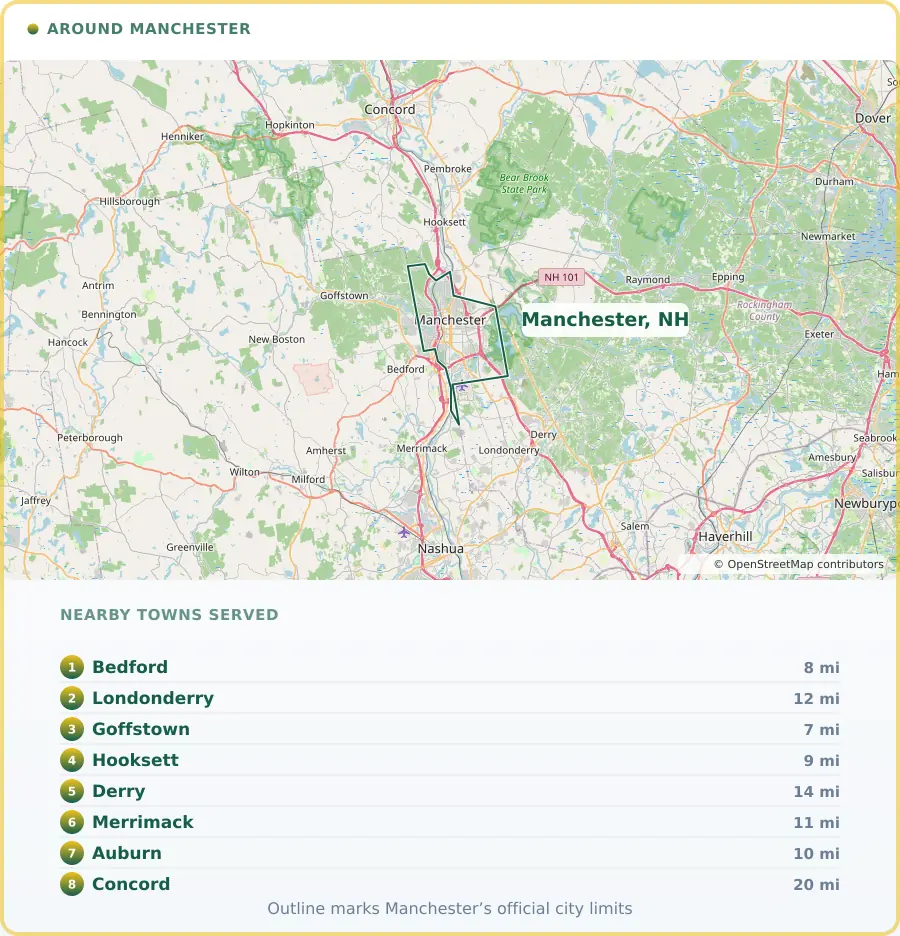
Based in Manchester, NH, with 8 nearby communities inside the service area — near enough to reach quickly, not just listed on a map.
Manchester, NH Information
Manchester is New Hampshire's largest city, a Merrimack River hub where brick mill buildings from its textile-making days now share skylines with modern offices. As the state's economic anchor, it blends healthcare, education, and advanced manufacturing: Elliot Health System and Catholic Medical Center care for the region, Southern New Hampshire University draws students citywide, and BAE Systems and DEKA Research keep engineering and defense work humming alongside finance and retail employers like Fidelity Investments and Citizens Bank.
With roughly 115,000 residents, Manchester still feels like a collection of neighborhoods rather than one sprawling city, from the historic Amoskeag riverside to the tight-knit streets of the West Side. It's a place built on reinvention, where old industry and new ideas keep finding room to coexist.

Photo: Billy Hathorn, CC BY-SA 3.0