

Mold Removal Cost in Manchester, NH
Mold removal cost in Manchester, NH depends on how much of your home is affected, which building materials contain the mold, and what equipment and processes are needed to safely contain and eliminate it. Older homes throughout the region—including those in neighborhoods like Amoskeag and the West Side—often have basements and crawl spaces where persistent moisture creates conditions for mold growth, sometimes across a larger area than initial inspection reveals. The scope of remediation, from simple surface removal to extensive drywall and insulation replacement, along with any containment, air scrubbing, clearance testing, or structural rebuild required, directly determines what an independent local provider will charge once they inspect the affected space. Starting the inspection process sooner typically limits how far the mold spreads, keeping the remediation scope—and your cost—smaller.
Understanding Mold Removal Cost in Manchester, NH
Property owners throughout Manchester often reach out wanting to understand mold removal cost before calling a provider—and that's the right instinct. Manchester's inland New England climate brings consistent year-round humidity, with particularly damp conditions during spring and summer that can drive moisture into homes and buildings. Many of the city's older residences feature basements and crawl spaces where moisture collects naturally, creating environments where indoor mold can take hold. When mold is discovered, the question of cost becomes immediate and practical. Understanding what drives that cost—before any inspection or commitment—helps you make an informed decision and prepares you for the conversation with a local provider.
Trudy Mold Remediation connects Manchester property owners with independent local mold inspection and remediation providers who inspect the affected area first and explain the scope of work before any cost is finalized. Rather than guessing at the price, you'll learn exactly what's involved: how much area is affected, which building materials require attention, what containment and air-quality equipment the job calls for, and whether post-remediation testing or structural rebuild is part of the plan. Acting quickly when you discover mold typically keeps the scope smaller and more straightforward. Let us connect you with a local provider who can walk you through what mold removal will entail for your specific situation.
Understanding Mold Removal Cost in Manchester
How Affected Area Size Drives Cost
Mold removal cost depends heavily on square footage affected. A small patch on one wall requires less labor and materials than mold spread across multiple rooms or structural components. The larger the contaminated area, the more resources and time the remediation provider must allocate.
Materials Involved Change Scope
What needs removal versus cleaning affects cost significantly. Drywall, insulation, carpet, and HVAC components harbor mold differently. Some materials are cleaned and dried in place; others must be fully removed and replaced. The mix of materials involved determines labor intensity and disposal requirements.
Containment and Air Quality Equipment
Preventing spore spread during remediation requires containment barriers and air scrubbing equipment. Larger jobs or those in occupied spaces typically need these systems running throughout the work. Post-remediation clearance testing confirms air quality has returned to normal levels, adding to scope and cost.
Older Homes and Moisture Challenges
Manchester's older residential stock, including many homes with basements and crawl spaces, faces persistent moisture from the region's humid springs and summers. These spaces are naturally prone to mold growth. When moisture problems compound over time in older construction, remediation scope—and therefore cost—can expand significantly.
How Your Mold Removal Cost Is Estimated in Manchester, NH
Request an On-Site Estimate
Call Trudy Mold Remediation to describe the mold you've found and schedule a visit from a local provider in Manchester, NH. The provider will inspect your property to measure the affected area, identify which materials contain mold, and assess what removal work the scope demands.
Assess Scope and Cost Drivers
The provider evaluates how many square feet are affected, whether drywall, carpet, insulation, or HVAC components require removal, and whether containment equipment, air scrubbing, or post-remediation clearance testing will be necessary. Early action typically limits the extent of affected materials, keeping the removal cost lower than allowing moisture and mold to spread further.
Review the Estimate Before Approval
The provider presents a detailed estimate outlining the mold removal cost based on the scope discovered during inspection—including labor, materials, equipment, and any structural rebuild needed after mold is removed. You review the estimate with the provider before authorizing any work to begin.
Wondering about Mold Removal Cost in Manchester? Get an on-site estimate from a local provider.
Call Now — (603) 207-4474What Drives Mold Removal Cost in Manchester
Mold removal cost in Manchester depends on how much of your home is affected and what materials the mold has colonized. A small patch on drywall in a single room costs far less to remove than mold spread across basement framing, insulation, and crawl-space joists—because the scope of work differs dramatically. The age and construction style of your home also shapes cost: older Manchester homes often have more cavities, hidden spaces, and materials that trap moisture, which can mean larger affected areas and more labor-intensive removal. Basements and crawl spaces, common throughout Manchester's residential neighborhoods, are particularly prone to persistent moisture conditions that allow mold to spread, and accessing and remediating those spaces typically requires more time and equipment than surface-level removal.
Beyond the square footage involved, mold removal cost reflects the materials that must be handled or replaced—drywall, carpet, insulation, and HVAC components all add to the scope. Professional removal often requires containment barriers and air-scrubbing equipment to prevent spore spread during work, and post-remediation clearance testing confirms the job is complete. Structural rebuild after mold removal, if needed, further increases the cost. Acting quickly—before mold penetrates deeper into walls, insulation, or subflooring—typically keeps the affected area smaller and the work more contained, which generally reduces what removal will cost. Your local mold removal provider will inspect the affected areas and explain what scope of work is needed before pricing the job.
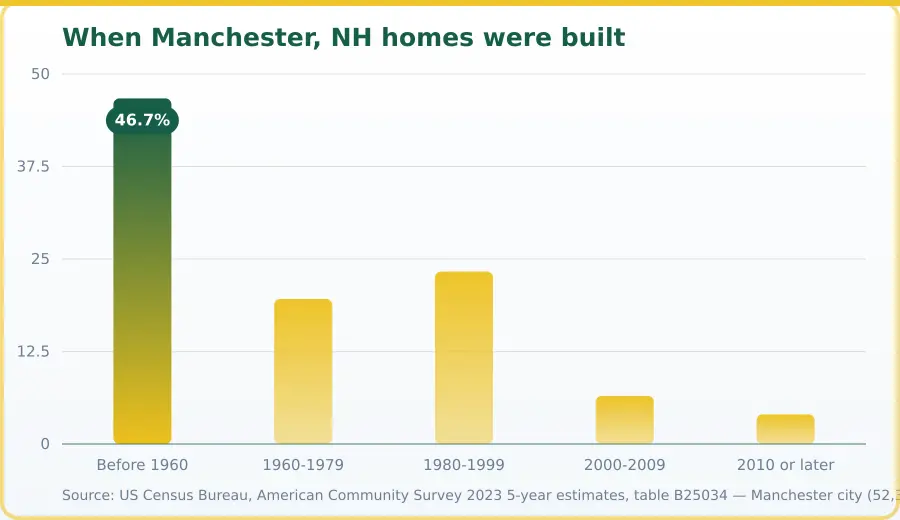
| Period | When homes were built (%) |
|---|---|
| Before 1960 | 46.7 |
| 1960-1979 | 19.6 |
| 1980-1999 | 23.3 |
| 2000-2009 | 6.5 |
| 2010 or later | 4 |
Source: US Census Bureau, American Community Survey 2023 5-year estimates, table B25034 — Manchester city (52,391 housing units). Retrieved October 5, 2026.
How Manchester's Seasons Affect Mold Removal Cost
Spring: Thaw and Moisture
Spring snowmelt and increased rainfall raise indoor humidity levels throughout Manchester's older homes, basements, and crawl spaces—areas already prone to moisture retention in the region's historic mill-era housing stock. Water infiltration expands the affected area, requiring larger containment zones and more extensive material removal, which increases the overall scope of work.
Summer: Heat and Humidity
Warm, humid summer conditions accelerate mold growth across damp surfaces. Properties that went unaddressed in spring often show larger colonies by mid-summer, meaning more square footage of drywall, insulation, or structural materials may need removal. Earlier action prevents this seasonal expansion.
Fall: Moisture and Closed Homes
As temperatures drop, property owners close windows and increase indoor humidity while heating systems begin running. Trapped moisture settling in walls and attics can reveal previously undetected mold, expanding the inspection findings and the materials requiring remediation.
Winter: Hidden Growth and Frozen Access
Winter cold can mask active moisture problems, delaying discovery until spring thaw. Frozen ground and snow may limit access to exterior inspection points or outdoor HVAC components, potentially requiring modified containment strategies or additional equipment staging that affects overall project cost.
Related Services
Mold Removal Cost FAQs — Manchester, NH
The size of the affected area is the primary driver—a small bathroom corner costs far less than widespread basement contamination. The materials involved matter too: drywall, insulation, and subfloors often require removal and replacement. Containment complexity, whether specialized equipment or additional barriers are needed, and any structural rebuild work after remediation all influence the final cost that a local provider will quote.
Early action prevents mold from spreading into walls, subfloors, and deeper structural areas—each expansion increases the scope and cost of removal. Catching it quickly also reduces the likelihood of extensive material replacement. Delaying treatment allows moisture to persist longer, worsening damage and making remediation more involved and costly.
A local remediation provider visits your property to inspect the affected area, assess moisture conditions, identify materials involved, and determine containment and removal needs. Based on this on-site evaluation, they provide a detailed estimate. Trudy Mold Remediation connects you with independent local providers who can schedule inspections and give you a cost assessment specific to your home.
Insurance coverage for mold removal depends on your specific policy and the cause of the mold. Some policies cover mold resulting from sudden events like pipe bursts, while others exclude it. Contact your insurance provider to understand your coverage before or after receiving an estimate. A local remediation provider can discuss how insurance may apply to your situation.
Trudy Mold Remediation links you with independent local providers in the Manchester area who can respond to estimate requests. Connection speed depends on local provider availability, but the goal is to get you in touch quickly so you can schedule an inspection and receive a cost estimate without unnecessary delay.
New England's inland climate and seasonal moisture patterns can influence how extensively mold develops in Manchester homes, particularly in older basements and crawl spaces where dampness accumulates. Higher moisture levels may mean larger affected areas and more complex containment needs, which a local provider will factor into the estimate. Spring and summer humidity can compound the scope, affecting overall remediation cost.
Homeowner Safety Toolkit
Verify Your Manchester, NH Mold Remediation Company
Before you hire anyone, use these independent national resources to confirm credentials, standards, and track record.
IICRC
Publishes the S520 standard for professional mold remediation. Confirm a company's technicians hold real, current IICRC certification before you hire them.
Verify CertificationCDC
Covers the health effects of mold exposure and safe cleanup practices, separate from the remediation work itself — useful if anyone in the home has respiratory symptoms.
Mold Health GuideBBB
Look up any mold remediation company's complaint history, customer reviews, and accreditation status — a free, independent check before you hire.
Check StandingQuestions about Mold Removal Cost in Manchester, NH? Call (603) 207-4474 to arrange a local on-site estimate.
Call Now — (603) 207-4474Areas We Serve in Manchester, New Hampshire
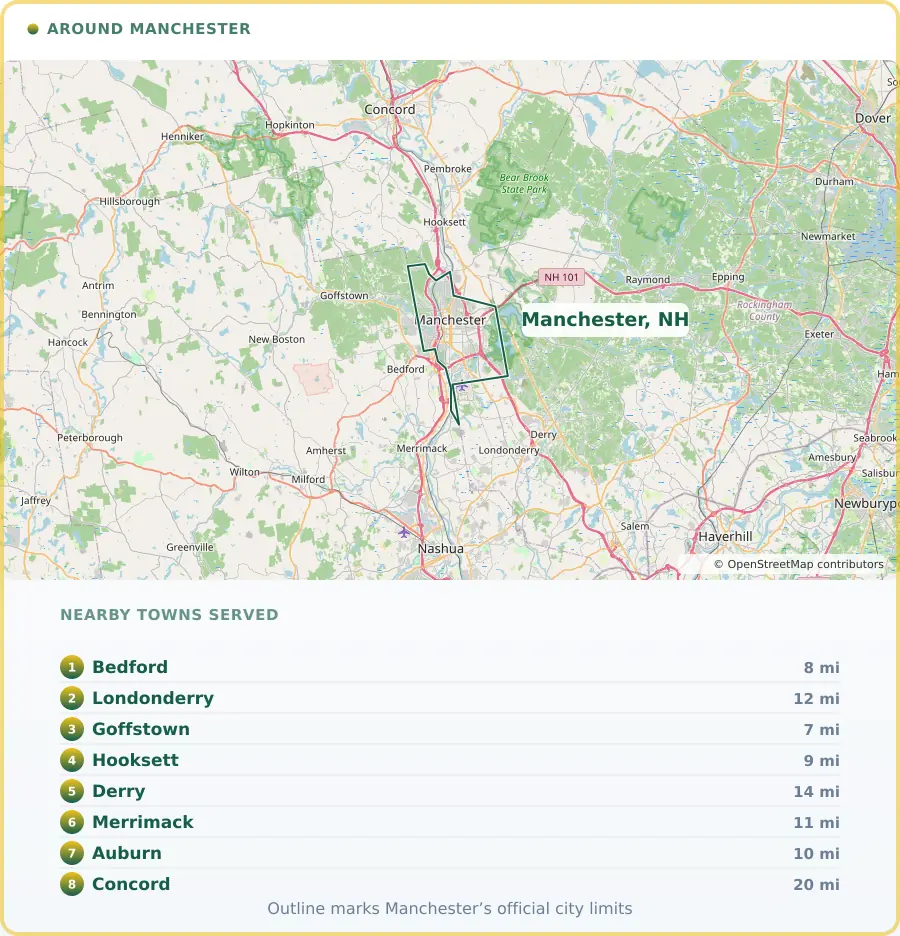
Based in Manchester, NH, with 8 nearby communities inside the service area — near enough to reach quickly, not just listed on a map.
Manchester, NH Information
Manchester is New Hampshire's largest city, a Merrimack River hub where brick mill buildings from its textile-making days now share skylines with modern offices. As the state's economic anchor, it blends healthcare, education, and advanced manufacturing: Elliot Health System and Catholic Medical Center care for the region, Southern New Hampshire University draws students citywide, and BAE Systems and DEKA Research keep engineering and defense work humming alongside finance and retail employers like Fidelity Investments and Citizens Bank.
With roughly 115,000 residents, Manchester still feels like a collection of neighborhoods rather than one sprawling city, from the historic Amoskeag riverside to the tight-knit streets of the West Side. It's a place built on reinvention, where old industry and new ideas keep finding room to coexist.
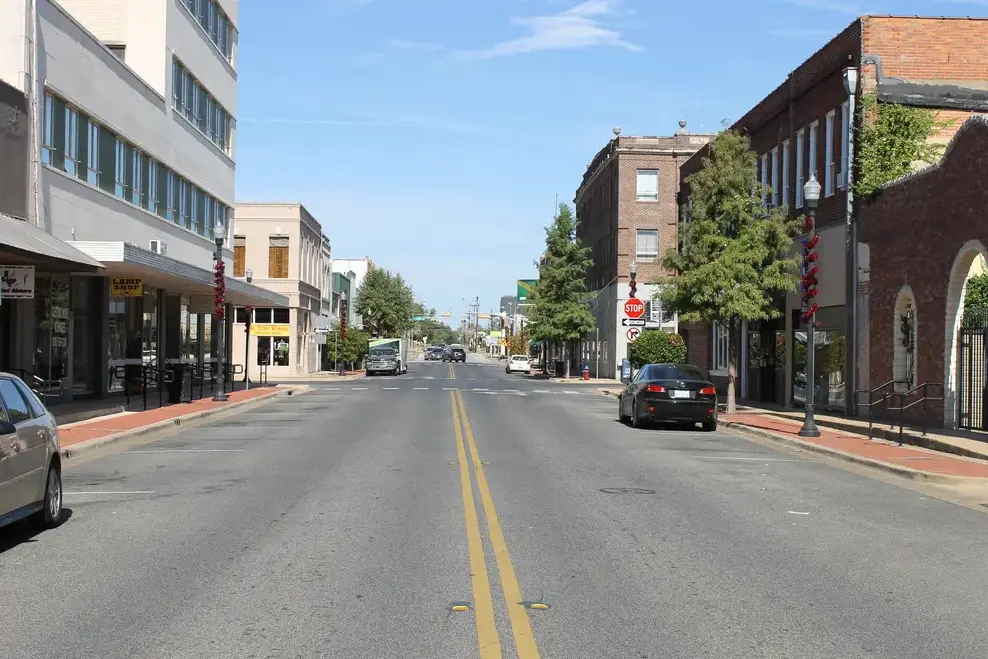
Photo: Billy Hathorn, CC BY-SA 3.0